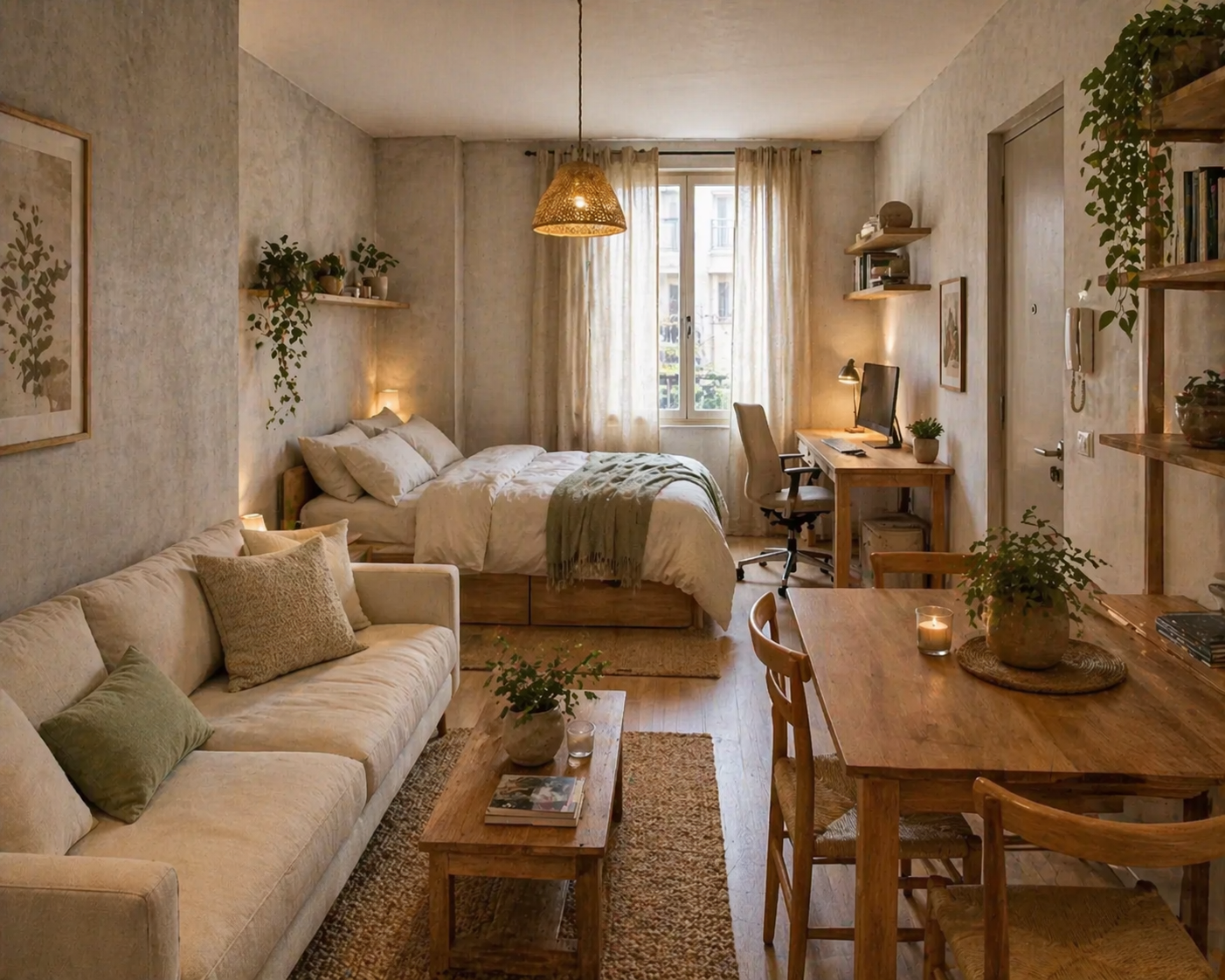
Common Feng Shui Mistakes in Modern Japanese Apartments (And How to Fix Them)
Common Feng Shui Mistakes in Modern Japanese Apartments (And How to Fix Them)
Living in a modern Japanese apartment—especially in cities like Tokyo—means embracing compact, efficient spaces. But while these homes are beautifully designed for functionality, they often unintentionally disrupt the natural flow of energy, or qi, that Feng Shui aims to optimize.
The good news: you don’t need a full renovation to fix it.
Small, thoughtful adjustments can significantly improve both the energy of your home and your daily life.
1. Cluttered Genkan (Entryway)

The Problem:
The genkan is where energy enters your home. That's why in Feng Shui, it is considered the most important area of the house.
In many Japanese homes, it quickly becomes a dumping ground for shoes for having to take them off, as well as other things such as bags and delivery boxes. This blocks positive energy right at the source.
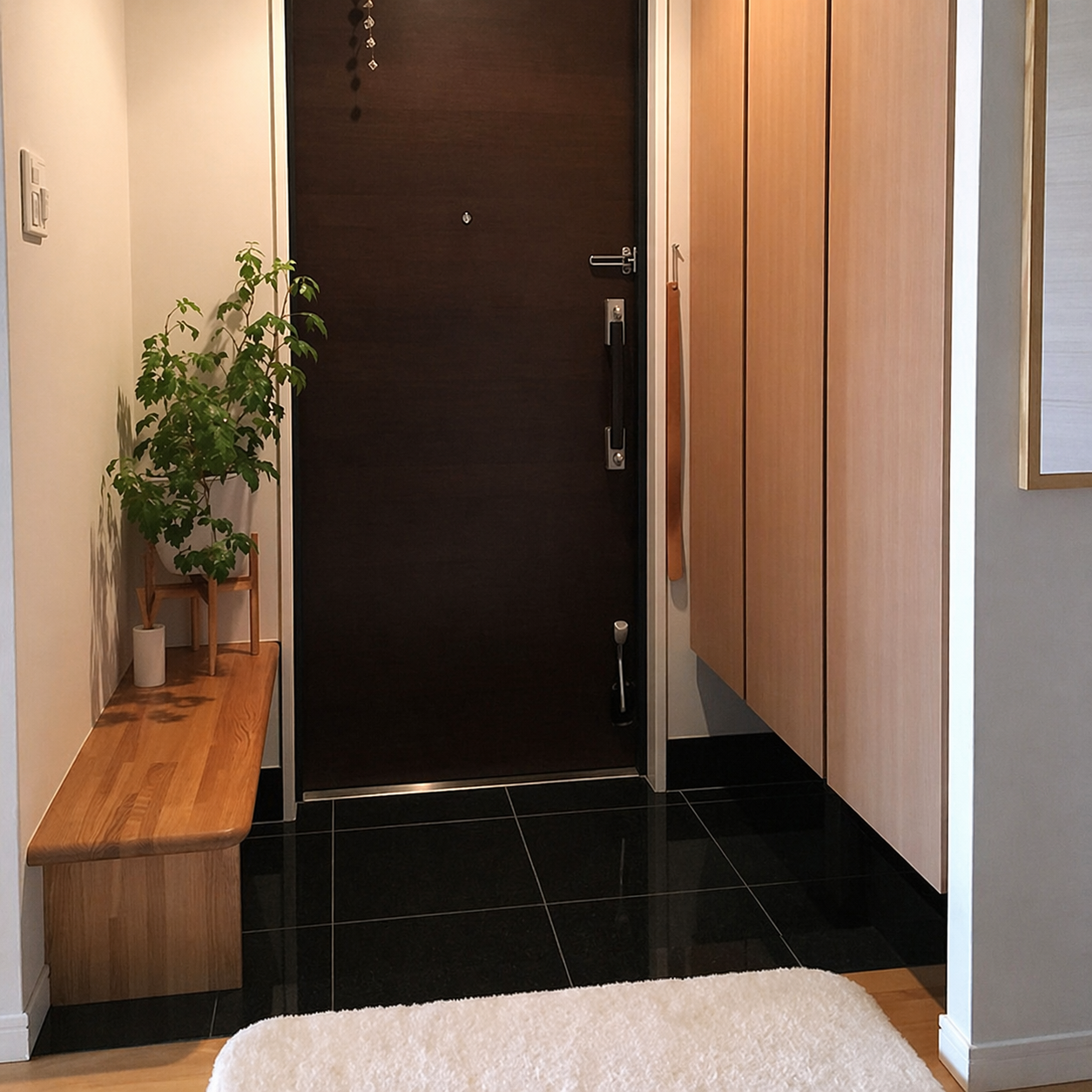
The Fix:
Keep it simple and intentional:
Put away all shoes in a shoe cabinet
Place an entrance mat for after taking off the shoes
Keep the floor clean and open
Place a plant or flowers that represent "life energy" or qi
A clean genkan signals clarity and allows good energy to flow in smoothly.
2. Bed Positioning & Command Position

The Problem:
Beds are often pushed against walls, windows, or directly aligned with doors due to limited space. This subconsciously creates psychological instability, which can affect sleep quality and overall well-being.

The Fix:
Aim for the “command position” as much as possible:
Place the bed where you can see the door, but not directly in line with it
Place a room divider if the bed cannot be placed in a command position
Avoid placing your head directly under a window
Place the headboard directly against a wall
Even small adjustments—like shifting the angle slightly—can make a noticeable difference.
3. Blocked Energy Flow in Tight Layouts

The Problem:
Furniture placement in small apartments often creates narrow, awkward pathways that disrupt movement and energy circulation.
The Fix:
Prioritize flow over filling space:
Keep clear walking paths between key areas
Avoid sharp furniture corners pointing toward seating or beds
Choose multi-functional or smaller-sized furniture to reduce clutter
Think of your home as a stream—energy should move freely, not get stuck.
4. Overuse of Dark or Heavy Elements
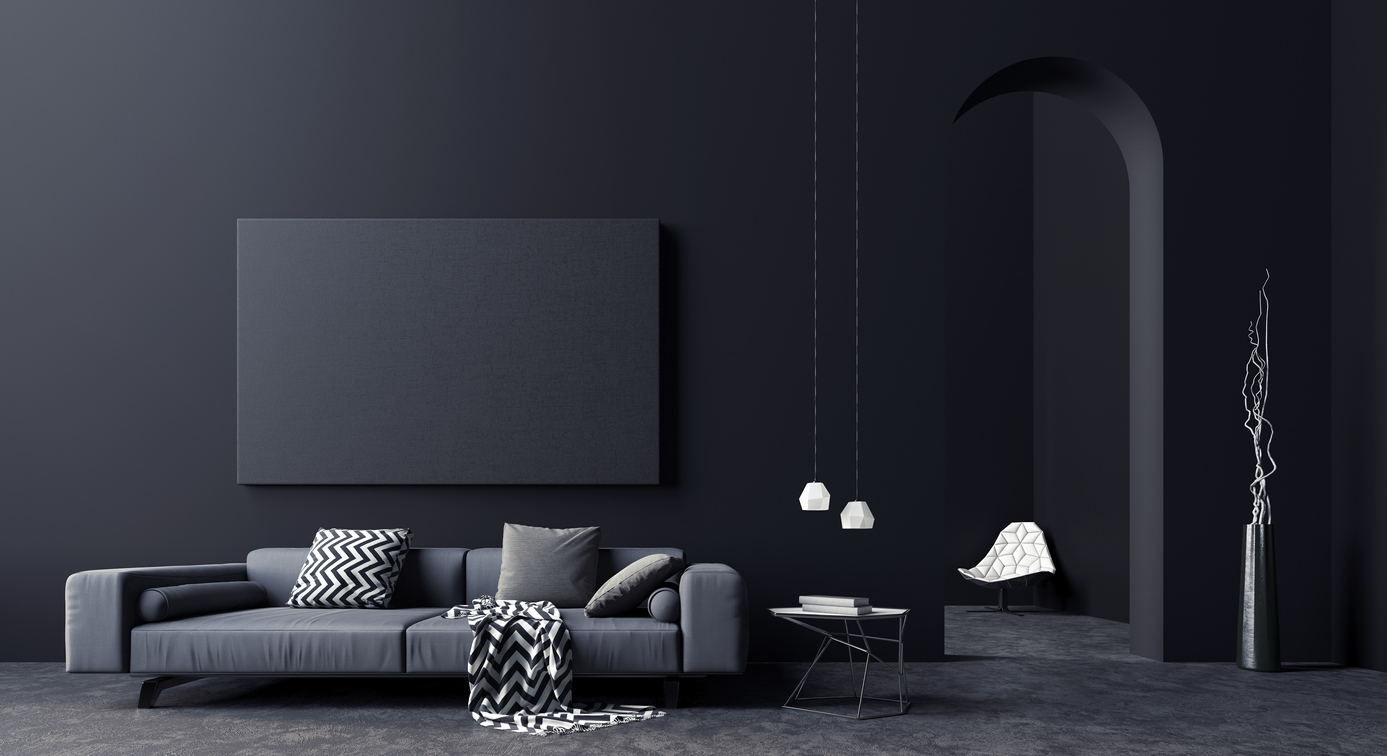
The Problem:
Modern interiors often favor dark tones—black furniture, grey walls, heavy materials—which can feel grounding but may also create yin energy in small spaces. Any stagnation in energy flow becomes dead energy, which may affect physical and mental health to various degrees.
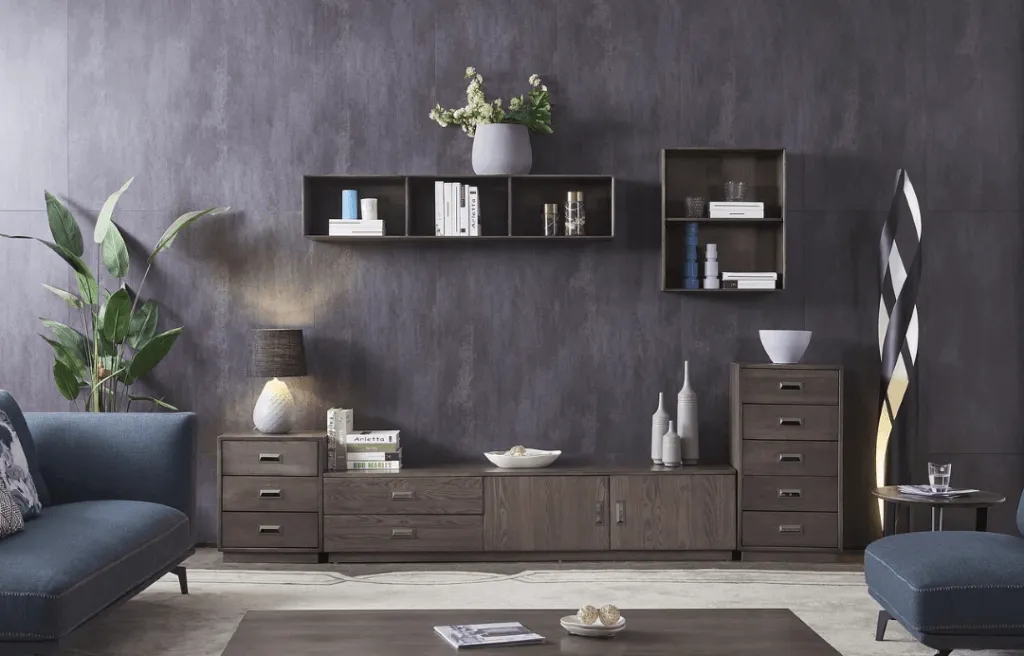
The Fix:
Balance is key:
Introduce lighter elements (wood, beige, soft whites)
Use mirrors to reflect light and expand space
Add natural textures like linen or plants
You don’t need to abandon modern design—just soften it.
5. Lack of Natural Elements
The Problem:
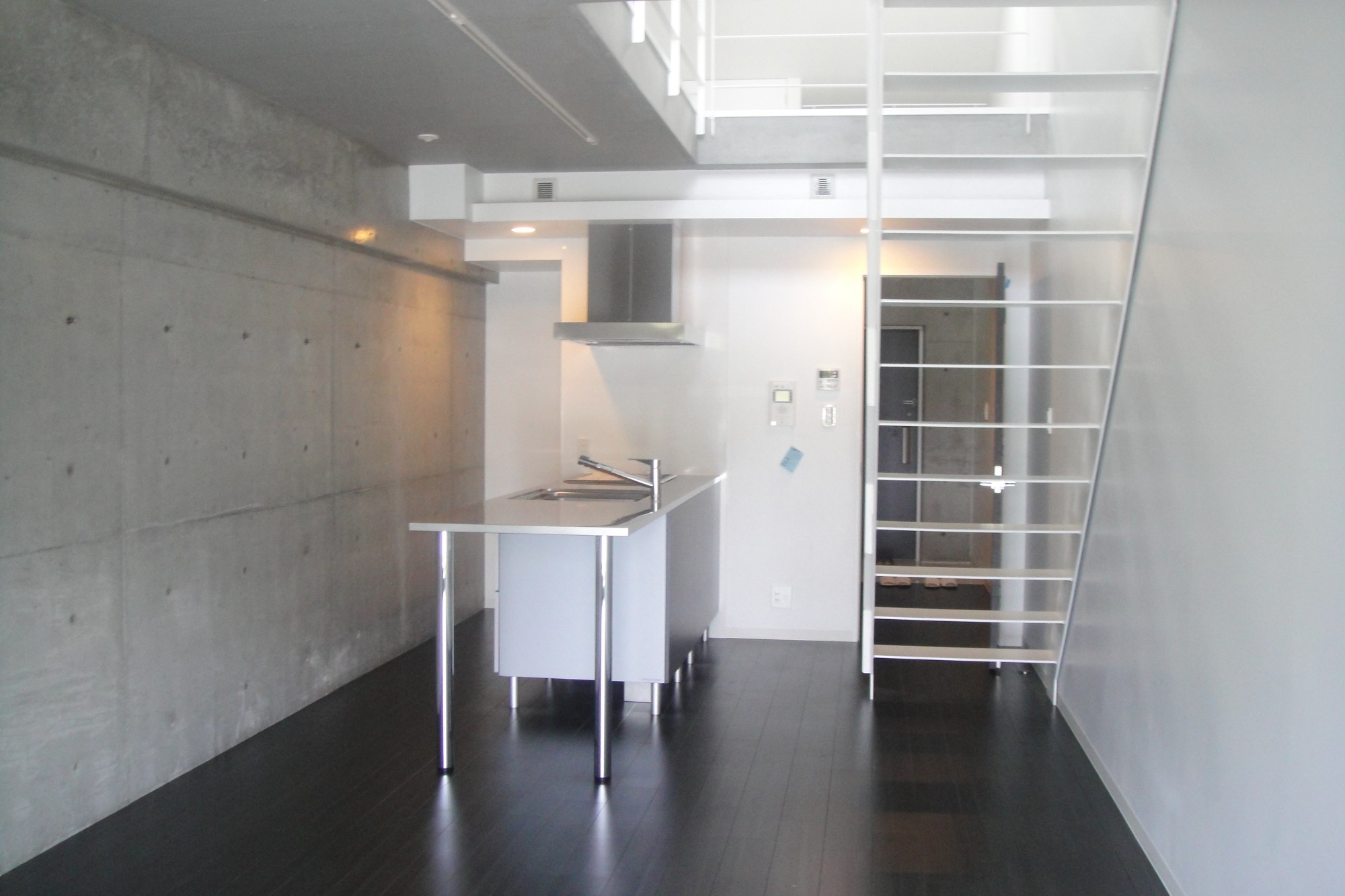
Urban apartments often lack connection to nature, which is essential in Feng Shui for balance and vitality. Concrete is a strong structural material for a modern home, but it can carry coldness due to its properties.
The Fix:
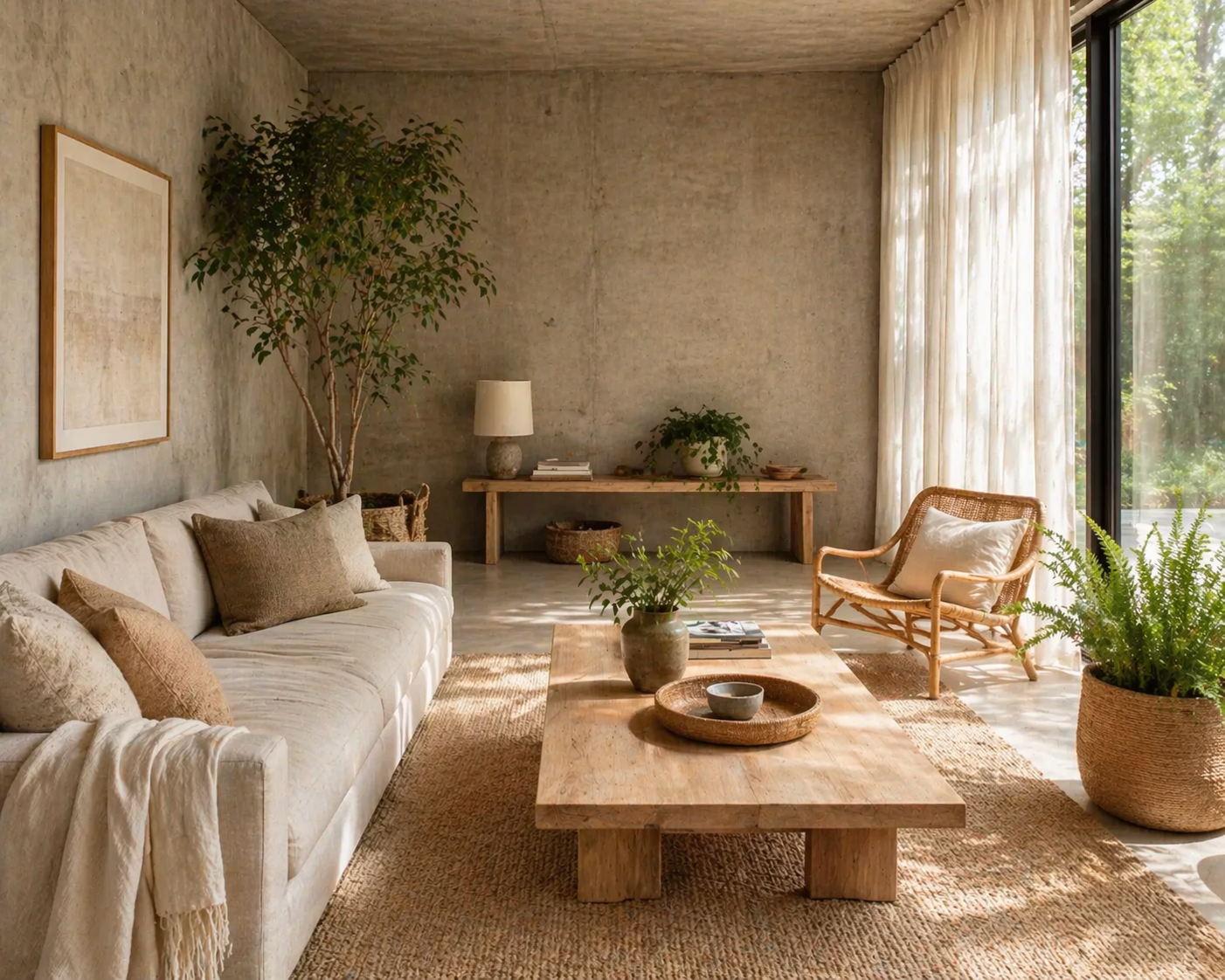
Bring nature indoors in subtle ways:
Add low-maintenance plants (but not any cactuses as their thorns are often energetically too aggressive)
Use natural materials (wood, linen, cotton)
Incorporate seasonal elements, even something as simple as flowers
A single plant can make a big difference and shift the atmosphere of a room.
6. Mirrors in the Wrong Places
The Problem:
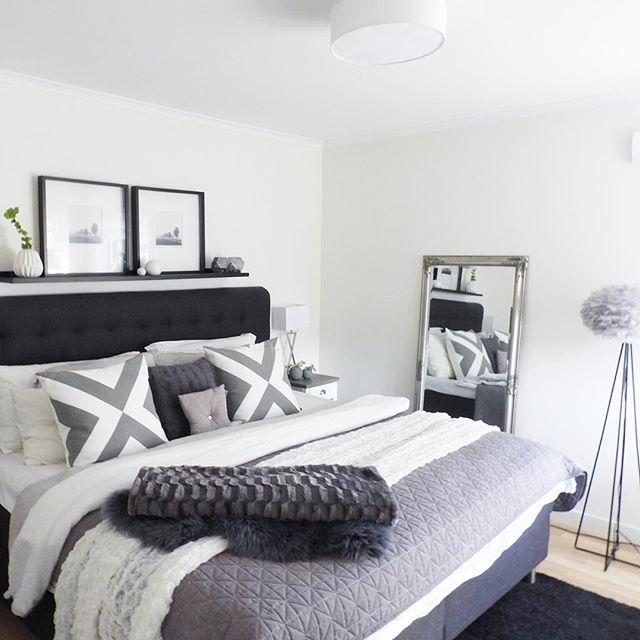
Mirrors are commonly used to make spaces feel larger—but placed incorrectly, they can reflect negative energy or disturb rest.
The Fix:
Use mirrors intentionally:
Avoid placing them directly facing the bed
Don’t reflect clutter or the front door
Position them to reflect light or calming views
Place a mirror on the right/left side of the wall by the entrance
Mirrors should expand energy—not scatter it.
7. Ignoring Personal Energy Zones
The Problem:
Many modern apartments are designed purely for efficiency, not for the occupant’s personal energy or lifestyle. A studio or one-bedroom apartment can have the kitchen, living-dining, and bedroom all compressed together in one space.
The Fix:
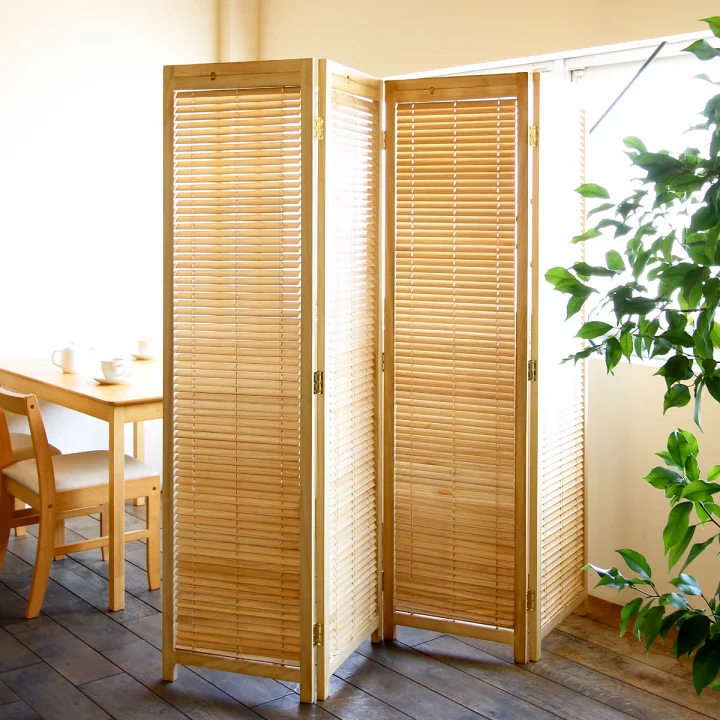
Create defined zones, even in small spaces, by placing a room divider or hanging curtains.
A clear work area (even a small desk corner)
A restful sleep space
A place for relaxation or mindfulness
A bookshelf may seem like a good interior furnishing to divide space, but this creates subconscious stress due to the unstable positioning of heavier furniture and is not recommended. Always place a bookshelf against a wall.
When each area has purpose, energy becomes more grounded and supportive.
Final Thoughts
Feng Shui in a Tokyo apartment isn’t about perfection—it’s about awareness.
Space may be limited, but intention isn’t.
By making small, practical adjustments—decluttering your genkan-entrance, repositioning your bed, improving flow—you can transform your apartment into a space that supports clarity, rest, and opportunity.
In a city that moves fast, your home should be the one place where energy flows effortlessly.